
Water damage can be devastating to your rental property, causing significant harm to floors, furniture, drywall, and more. To avoid expensive repairs and protect your investment, it’s crucial to identify the causes of water damage and take proactive measures.
Typically, the common culprits that result in water damage include plumbing issues and weather-related problems. In this article by Harper Property Management, we’ll go over how to avoid water damage in your rental property.
Common Causes of Water Damage
Water leaks, especially those hidden from sight, can cause substantial damage before you even realize there’s a problem. It’s important to act quickly to locate and maintain the property to address leaks and minimize the damage. Here are some of the most common causes of water damage:
- Malfunctioning Toilets: Leaking toilets can waste a lot of water and lead to significant damage over time.
- Broken or Faulty Appliances: Dishwashers, refrigerators, and washing machines can all develop leaks.
- Old or Worn Supply Hoses: The hoses connecting to your washing machine typically need to be replaced every 7-8 years.
- Clogged Gutters: Clogged gutters prevent water from draining properly, potentially causing water to pool around your foundation.
- Burst or Leaking Pipes: Aging pipes, especially those that freeze or experience excess pressure, can burst and leak water.
- Corroding Pipes: Pipes that have corroded over time may leak or even burst.
- Tree Roots: Roots growing into pipes can cause blockages and leaks.
- Blocked Trash Disposals: Built-up pressure from a blocked disposal can cause leaks or backups.
- Sewage Backups: A serious issue that can cause significant damage and health hazards.
- Rodent Damage: Rodents can chew through water pipes, especially PEX, causing leaks.

Signs of Water Damage
Water damage can sometimes go unnoticed until it becomes severe. Here are common signs that water damage may be occurring:
- Mold or Mildew Growth: Persistent mold or mildew in bathrooms or kitchens, even after cleaning, is a red flag for ongoing water damage.
- Ceiling Stains: Stains or discoloration on the ceiling often point to leaks from above, such as from plumbing or a roof issue.
- Bubbling Paint or Cracked Walls: Water buildup behind walls can cause paint to bubble or crack, signaling potential damage.
- Pooling Water: Water accumulating on the floor, especially after heavy rains or plumbing issues, is a clear sign of a leak.
- Dry Rot: The appearance of dry rot in wood, such as door frames or wooden floors, often indicates water exposure over time.
- Spike in Water Bills: An unexplained increase in water usage is a common sign of a hidden leak somewhere on the property.
How to Prevent Water Damage in Your Rental Property
Water damage can be costly and disruptive, but as a landlord, there are proactive steps you can take to safeguard your rental property. Here are effective strategies to reduce the risk of water damage and keep your maintenance expenses under control:
1. Conduct Regular Gutter Inspections
Clogged gutters are a common source of water damage. When debris builds up, it can cause water to overflow, leading to leaks and foundation damage.
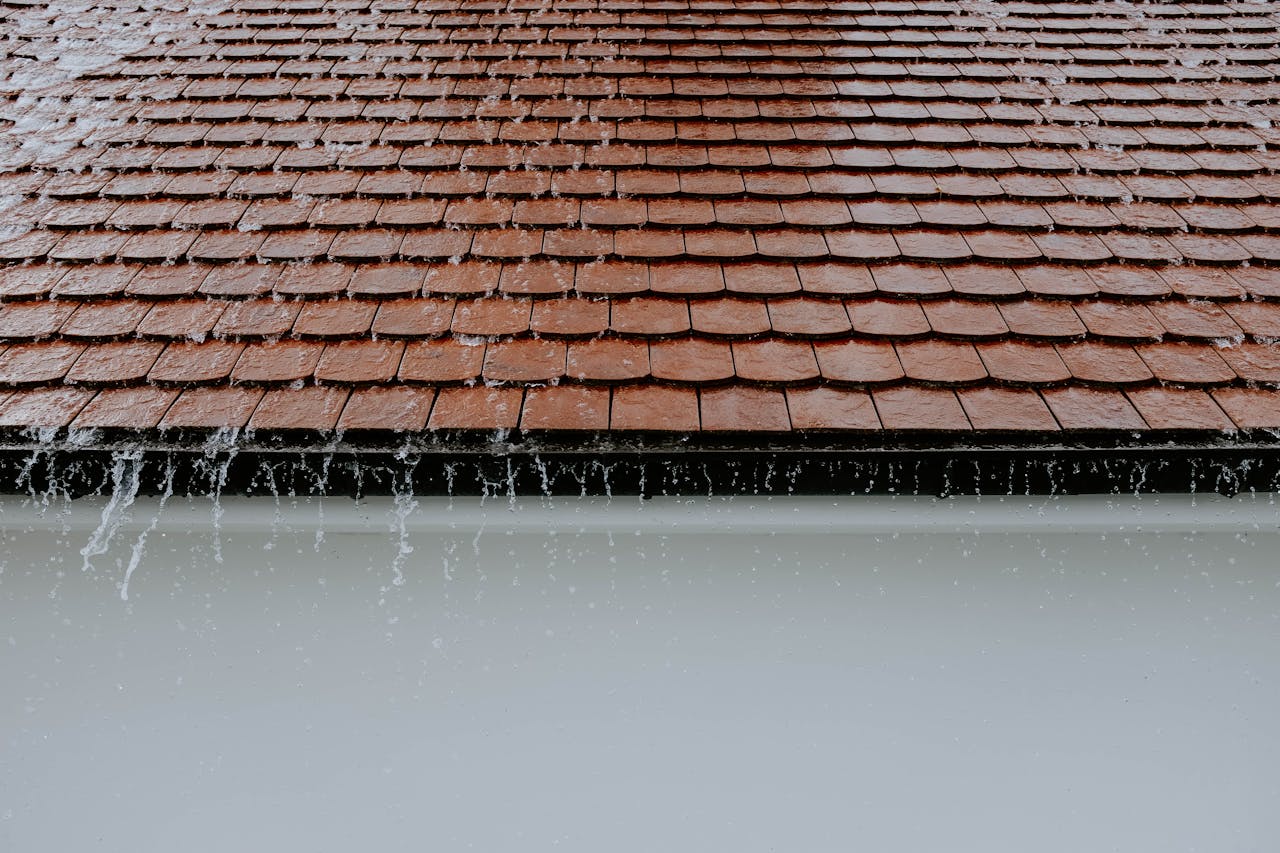
Clean your gutters at least a few times a year, especially after storms or during autumn when leaves are abundant. Consider adjusting the angles of your gutters to direct water away from the foundation.
2. Check and Position Downspouts Properly
Ensure you position your downspouts several feet away from your property. This helps prevent water from pooling near the foundation, which can lead to flooding and structural damage. Inspect downspouts for any damage and repair or replace them as needed.
3. Maintain Exterior Drains
Check the exterior drains around your property regularly to make sure they’re clear of debris. Blockages can hinder the efficient flow of water, leading to potential backups and flooding. Keep the drains clean and free-flowing to minimize the risk of water damage.
4. Inspect the Roof Annually
The roof is one of the most vulnerable areas when it comes to water leaks. Schedule an annual roof inspection to check for damage and ensure everything is intact. Catching small issues early can prevent major leaks and water damage that exceeds normal wear and tear down the line.
5. Seal Windows Properly
Cracks in windows can let in water during heavy rains. Inspect your windows regularly and repair any visible cracks or gaps. Additionally, ensure that your sump pump is in working order, especially in basements, to help manage water that collects in low-lying areas.
6. Monitor Flooding Around Perimeter Walls
Water pooling around your exterior walls can weaken your foundation over time. If you notice flooding or pooling near the perimeter, consult a professional to properly seal the walls and prevent further damage. Ensuring that your foundation remains secure is key to long-term property stability.

7. Clear Floor Drains Regularly
Bathroom floor drains can easily get clogged with hair and dirt, leading to slow drainage and potential flooding. Encourage tenants to clean these drains weekly to keep them clear and functioning properly. Regular cleaning can prevent water from pooling and minimize the risk of water damage.
8. Encourage Tenants to Report Issues Early
Your tenants are the first line of defense when it comes to spotting water damage. Provide them with clear contact information and encourage them to report issues like leaking faucets, mold growth, or unusual spikes in their water bills. The sooner you’re alerted, the quicker you can address problems, prevent further damage, and keep tenants happy.
9. Require Renters Insurance
Consider requiring tenants to have renters insurance, especially if your current policy offers limited coverage for water damage. Renters insurance can help cover the cost of damages caused by tenants’ accidents, such as overflowing bathtubs or kitchen floods, while also reducing your out-of-pocket expenses.
Bottom Line
By following these preventive steps, you can significantly reduce the risk of water damage and avoid expensive repairs. Keeping up with regular maintenance, addressing issues promptly, and fostering open communication with your tenants is essential to protecting your property and maintaining its value over time.
If you need an expert to handle your rental property maintenance, contact Harper Property Management today!
