- Start With Your Goal
- What Selling Looks Like
- What Renting Looks Like
- Build a Side-by-Side Comparison
- Taxes to Discuss With a Professional
- Risks of Renting
- Risks of Selling
- Who Rents in Menlo Park
- Prepare the Home Either Way
- How a Professional Manager Changes the Equation
- Bottom Line
- Frequently Asked Questions
- Both renting and selling come with different benefits, risks and tax situations; build a side-by-side comparison and speak with a professional to weigh your options.
- Net sale proceeds versus net rental income, projected over roughly five years, typically reveals which path favors your goals.
- Consider how your mortgage, local tenant demographics and property management options affect your projections.
If you own a home in Menlo Park, you’re sitting on one of the most valuable pieces of residential real estate in the country. Proximity to Stanford, the venture capital firms of Sand Hill Road, major technology campuses, and the Caltrain corridor have pushed values to remarkable levels, and demand from renters remains strong, from tech professionals to researchers to families.
At Harper Property Management , we understand that when your circumstances change, you face a significant question: sell the home, or keep it and rent it out?
This guide gives Menlo Park owners a clear way to think through the decision. It explains how to compare the two paths with real numbers, what costs and taxes to consider, and what to ask yourself about your goals and tolerance for responsibility.
It’s general information and not tax, legal or financial advice, so confirm the details with qualified professionals before you act.
Want to Learn More About Property Management?
Start With Your Goal
Decide what you want the home to do for you. Some owners need cash now for a new purchase, a business or retirement.

Others want steady income and long-term appreciation. Some cannot bear to let go of a home they love and may want to return. If you need a large lump sum within a year, selling is typically more direct. If you want income and ownership over time, renting may fit better.
What Selling Looks Like
Selling converts your equity into cash. In exchange you pay agent commissions, closing costs, transfer taxes and the cost of preparing the home. You may also owe capital gains tax on profit above any exclusion available for a primary residence, depending on how long you owned and lived there.
After the sale, you’re free of the mortgage, property taxes, insurance and upkeep. You can then invest the proceeds elsewhere. The tradeoff is that you give up future appreciation and the rental income the home could have produced.
In a market like Menlo Park, where appreciation over the long term has been strong, that tradeoff deserves serious thought.
What Renting Looks Like
Renting keeps you in ownership. Rent covers some or all of your carrying costs, your tenant helps pay down the mortgage and you continue to benefit if the home appreciates.
In California, you may also benefit from Proposition 13, which limits annual increases in assessed value for as long as you own, so a long-held home can carry a property tax bill well below what a new buyer would pay.

The tradeoff is responsibility and risk: preparing the home , screening tenants, complying with California landlord-tenant law, handling repairs and covering vacancies. A property manager can take on much of that workload.
Build a Side-by-Side Comparison
Compare both options in real terms:
- Estimate your net sale proceeds. Start with a realistic sale price, then subtract the mortgage payoff, commissions, closing costs, taxes and preparation expenses.
- Estimate annual rental income. Use current comparable rentals, then subtract a vacancy allowance, management fees and expected repairs.
- List annual carrying costs. Include mortgage, property taxes, insurance and maintenance.
- Project five years. Compare the value of investing the sale proceeds with the combined value of rental cash flow, principal paydown and appreciation.
- Account for taxes. Capital gains, depreciation recapture and rental income taxation can change the picture.
Taxes to Discuss With a Professional
Speak to a qualified tax professional about:
- Capital gains. Selling a primary residence may allow you to exclude a portion of gain if you meet ownership and use tests. Converting to a rental can affect eligibility over time.
- Depreciation. Rental owners can deduct it, but it may be recaptured when the home is sold.
- Rental income. Net rental income is generally taxable, with deductions for allowable expenses.
- Property tax basis. Selling resets the new owner's assessed value, while keeping the home preserves your existing basis.
- Timing. Renting for a period before selling can change the tax outcome.

Ask about the specifics of your situation and goals.
Risks of Renting
Carefully weigh the risks associated with renting:
- Vacancy. Even in strong markets, homes can sit between tenants.
- Repairs. Roofs, HVAC systems and appliances eventually need replacement, and Bay Area contractor costs are high.
- Tenant problems. Late payments and property damage are possible even with good screening.
- Legal compliance. California has detailed rules on leases, deposits, notices, rent increases and just-cause terminations. Local rules may add more. Verify current requirements with a qualified professional.
- Market changes. Rents and values can move in either direction.
Have Questions for Our Experts?
Risks of Selling
Honestly consider the risks associated with selling:
- Timing. You may sell below what the market could offer later.
- Replacement costs. Buying again in the Bay Area can be expensive, and you would give up your lower property tax basis.
- Taxes. A large gain may be taxable.
- Lost income. You give up the rent the home would have generated.
- Emotional factors. Some owners regret selling a home with sentimental value.
Who Rents in Menlo Park
Menlo Park attracts technology and biotech professionals, Stanford faculty , visiting scholars, medical professionals and families who want strong schools and proximity to employers. Understanding your potential tenant helps you judge the rental case.
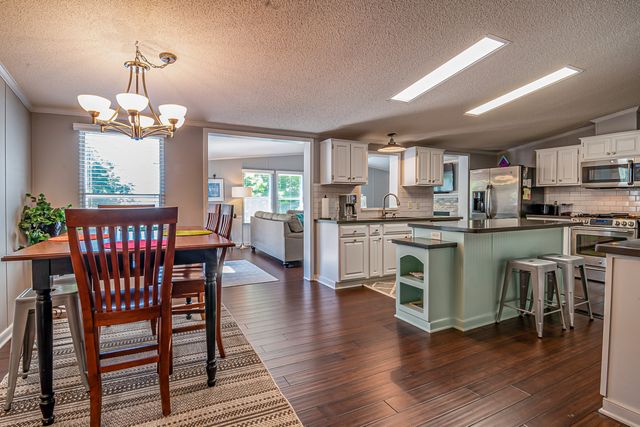
Strong applicants expect a well-maintained home, responsive service and clear communication.
Prepare the Home Either Way
Whether you sell or rent, preparation pays. For a sale, repairs, paint, landscaping and staging can lift your price. For a rental, a clean, well-maintained home attracts better tenants, commands higher rent and reduces turnover. In either case, walk through the property like an inspector and note anything that will need attention.
How a Professional Manager Changes the Equation
The biggest objection to renting is the work. A professional manager removes most of it.
Harper Property Management has served the Menlo Park area for more than a decade. The services we offer include marketing, showings, tenant screening, leasing, online rent collection, maintenance and emergency response, regular inspections, owner and tenant portals and renovation consultation.
With a manager in place, you can evaluate renting as an investment decision, not a second job.
Bottom Line
There is no universal answer to rent versus sell. The best choice fits your goals, your finances and your appetite for responsibility. Gather real numbers, consult your tax advisor, request a rental estimate and compare outcomes over a realistic horizon.
If you’re considering renting out your Menlo Park home, connect with our team and see how we can help you.
Want to Know What Our Team Could Do for You?
Frequently Asked Questions
How Does a Low-Rate Mortgage Affect a Renting vs. Selling Decision?
Many owners who bought or refinanced when rates were low hesitate to sell, because replacing that mortgage would raise their monthly payment. If you have a low rate, keeping the home as a rental can be appealing, since the cheap financing continues to work in your favor.
What Should Be Included in a Pre-Rental or Pre-Sell Inspection?
Check the roof, HVAC system, water heater, furnace, plumbing, electrical systems, flooring and appliances. Document any existing wear-and-tear and make a plan for repairs or upgrades.
How Do Local Environmental Factors Affect Homes in the Menlo Park Area?
Parts of Menlo Park sit within California Seismic Hazard Zones and the region's major faults are nearby. Bay Area wildfire and dry-season exposure are also concerns. Owners should check their property's zone, verify insurance coverage regularly and budget for seismic resiliency work where needed.
What Maintenance Issues Are Common in Menlo Park Homes?
The area's mild but demanding climate means heating and cooling equipment gets steady use that requires regular servicing. Many older Peninsula homes also have structural and utility risks: older roofs, foundations and outdated systems can require repairs or upgrades.
How Can Professional Property Management Make Managing a Menlo Park Rental Easier for Owners?
A full-service manager absorbs the workload of managing a Menlo Park rental from screening to turnover, so owners get a clear, hands-off income stream. At Harper Property management, we also advise on renovations, helping you protect the property's condition and value over the long term.
Ready to Take The Next Step?
About the Author
Shannon Thoke
Owner & Managing Broker
Shannon Thoke is a real estate professional with more than 12 years of experience and serves as a leader at Harper Properties, Inc., a full-service brokerage specializing in leasing, property management, buying, selling, and renovation consulting. Her expertise includes real estate sales, marketing, renovation planning, construction, technology, and project management.
Shannon holds degrees in Finance and Accounting, Real Estate Studies, and Business Administration, and is a licensed California Real Estate Broker, Realtor®, and Project Management Professional (PMP®). She was also recognized as Dwellworks Corporation's Rookie of the Year for her outstanding achievements in the industry.
