- Leaving an unoccupied home vacant can feel like the easier and safer choice, but it presents downsides such as deterioration, insurance restrictions and lost income opportunity.
- Renting your home out protects it, has tax advantages, earns you money and offers flexibility for the future of the property.
- Consider insurance effects, unauthorized occupancy risks and California’s landlord-tenant rules when weighing your options.
Maybe you inherited a house on the Peninsula and haven’t decided what to do with it. Maybe you’re renovating, waiting for a better time to sell or planning to move back in a year or two. Whatever the reason, you now own a home that sits empty, and you’re facing a significant question: should you rent it out, or leave it vacant?
Leaving a home empty can feel like the safer choice, but a vacant home costs you, and there are risks involved.
This guide compares renting a home with leaving it vacant, covering the costs, the risks, the insurance and legal issues, and the practical steps involved. It’s written for owners in Menlo Park and the surrounding greater Bay Area communities served by Harper Property Management. It’s general information, so confirm current requirements with a qualified professional.
Have Questions for Our Experts?
What a Vacant Home Really Costs
An empty house still generates bills. Mortgage payments, property taxes, insurance, utilities to keep systems safe and maintenance continue every month. In the Bay Area, where home values and carrying costs are high, those expenses can be especially substantial.
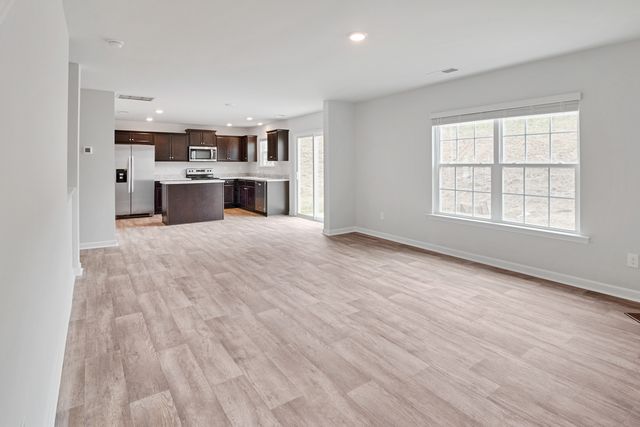
A vacant home also carries costs you don’t see on a bill:
- Lost rent. In this market, rental income can be significant, so every vacant month is a real opportunity cost.
- Insurance restrictions. Many standard policies limit or exclude coverage after a home has been vacant for a set period, often 30 to 60 days. Claims for vandalism, water damage or theft can be denied.
- Undetected damage. A slow leak, a failed water heater or a storm-damaged roof can go unnoticed for weeks.
- Pests and mold. Unoccupied homes can attract rodents, insects and moisture problems.
- Break-ins and vandalism. Vacant properties attract unwanted attention, including squatters.
- Curb appeal and neighbor relations. An unkempt house can draw complaints and code enforcement.
- System deterioration. HVAC, plumbing and appliances can deteriorate without regular use.
The Case for Renting
There are benefits to renting out your unoccupied home, including:
- Income. Rent can cover or exceed carrying costs and may produce positive cash flow.
- Occupancy protects the home. A resident notices problems early , keeps systems running and deters break-ins.
- Equity growth. Rent payments help pay down your mortgage while you keep the property.
- Appreciation. You continue to hold the asset.
- Tax advantages. Rental expenses and depreciation may offset income, subject to current tax rules.
- Property tax basis. Under California rules, keeping the home may preserve a favorable assessed value.
- Flexibility. You can keep the home for your own future use, sell later or continue renting.
Renting means accepting some responsibility.

You will need a lease, insurance and a plan for repairs . That's where working with a local manager lets you gain the benefits of occupancy without taking on the daily work yourself.
The Case for Leaving It Vacant
There are legitimate reasons to hold a home empty for a period. You may plan to move back soon, intend to renovate or sell, need time to settle an estate or want to avoid being a landlord.
If the home is a seasonal residence that you use regularly, vacancy during parts of the year may be unavoidable. In those cases, the key is to protect the home properly with appropriate insurance, regular inspections and a plan for maintenance.
Run the Numbers
To compare the two options, estimate your annual carrying costs: mortgage, taxes, insurance, utilities and maintenance. Then estimate what the home could rent for, using current comparable rentals. Subtract management fees, a vacancy allowance and repair costs, then compare the results.
In many cases, rent covers most or all of the carrying costs, turning a pure expense into a self-supporting asset . If your numbers show a gap, you may still decide renting is better, because it protects the home and builds equity.
Insurance Concerns
Insurance is the issue that surprises many owners.

Standard homeowner policies often limit coverage if a home is unoccupied beyond a certain period. If a pipe bursts or a storm damages the roof while the house sits vacant, a claim may be reduced or denied.
If you plan to rent, you will need a landlord or dwelling policy designed for rentals. Speak with your insurance agent early, explain your plans honestly and make sure the coverage matches how the property is used.
Want to Know What Our Team Could Do for You?
Squatters and Unauthorized Occupancy
Another risk of leaving a Menlo Park home vacant is unauthorized occupancy. Removing unauthorized occupants can be a lengthy and expensive legal process.
Regular visits, security measures and an occupied home all reduce that risk.
What It Takes to Rent
In order to rent your home, you’ll need to:
- Check your mortgage, HOA, and local rules.
- Buy appropriate landlord insurance.
- Inspect the property and make repairs.
- Clean and prepare the home to a rent-ready standard.
- Price the rent using current comparables.
- Market the home and screen applicants.
- Use a compliant California lease and complete a move-in inspection.
- Manage rent, maintenance, and renewals.
Be Aware of California’s Rules
California has extensive tenant protections, including rules on security deposits , notices to enter, habitability, required disclosures, rent increase limits for many properties and just-cause eviction in many situations. Local ordinances can add more.

Mistakes can lead to penalties or delayed possession. Verify the rules that apply to your property with a qualified professional.
Protect a Vacant Home
If you decide to leave your home vacant:
- Confirm your insurance coverage in writing.
- Arrange regular inspections.
- Keep utilities on as needed, and set heating and cooling to safe levels.
- Consider shutting off the main water if appropriate.
- Keep the landscaping and the exterior maintained.
- Collect mail and packages.
- Use lighting timers and security measures.
- Make sure a local contact can respond to emergencies.
How a Local Manager Helps
A local manager can price the home accurately, market it, screen applicants, handle the paperwork and respond when something goes wrong.
Harper Property Management has more than a decade of experience managing Menlo Park area properties and handling the day-to-day operations of rentals so owners experience a clear, informed and hands-off renting process.
Bottom Line
There are benefits and risks to both renting out your home and leaving it vacant when it’s unoccupied for an extended period. A clear, realistic analysis of your situation can help owners make confident decisions that protect their properties in the long-term.
For owners who are hesitant about the workload of becoming a landlord or who will be living out-of-area from their property, professional property management can help.
Want to Learn More About Harper Property Management?
Frequently Asked Questions
What Security Measures Can Owners Put in Place in Vacant Homes?
Start with the basics: secure all doors and windows with working locks, install exterior lighting with timers or motion sensors, and keep landscaping maintained. Arrange for regular inspections and have someone local on-call for emergencies.
What Should Owners Know About Renting Out a Home in the Menlo Park Area?
Demand is strong and well-qualified, with renters drawn by proximity to Stanford, tech campuses, and the Caltrain corridor. Before listing, confirm your mortgage, HOA, appropriate insurance and local rules.
How Do Local Environmental Factors Affect Vacancies in the Greater Bay Area?
The region faces seismic risk, so a vacant home's water and gas lines deserve extra attention. Dry-season wildfire exposure also matters, so maintain defensible space and confirm your insurance covers the properties use or vacancy.
What Should Owners Know About Renting a Home They Plan to Move Back Into Later?
Renting keeps the home occupied and protected while preserving your ownership, and it gives you flexibility to move back, sell, or keep renting later. Use a lease term that matches your timeline, and confirm the tax and insurance implications with professionals.
How Can a Property Manager Help Out-Of-Area Owners With Tenant Placement?
A local manager handles the entire placement process: marketing, showings, tenant screening, leasing, and move-in inspections, so owners aren't coordinating from a distance.
Ready to Take The Next Step?
About the Author
Shannon Thoke
Owner & Managing Broker
Shannon Thoke is a real estate professional with more than 12 years of experience and serves as a leader at Harper Properties, Inc., a full-service brokerage specializing in leasing, property management, buying, selling, and renovation consulting. Her expertise includes real estate sales, marketing, renovation planning, construction, technology, and project management.
Shannon holds degrees in Finance and Accounting, Real Estate Studies, and Business Administration, and is a licensed California Real Estate Broker, Realtor®, and Project Management Professional (PMP®). She was also recognized as Dwellworks Corporation's Rookie of the Year for her outstanding achievements in the industry.
